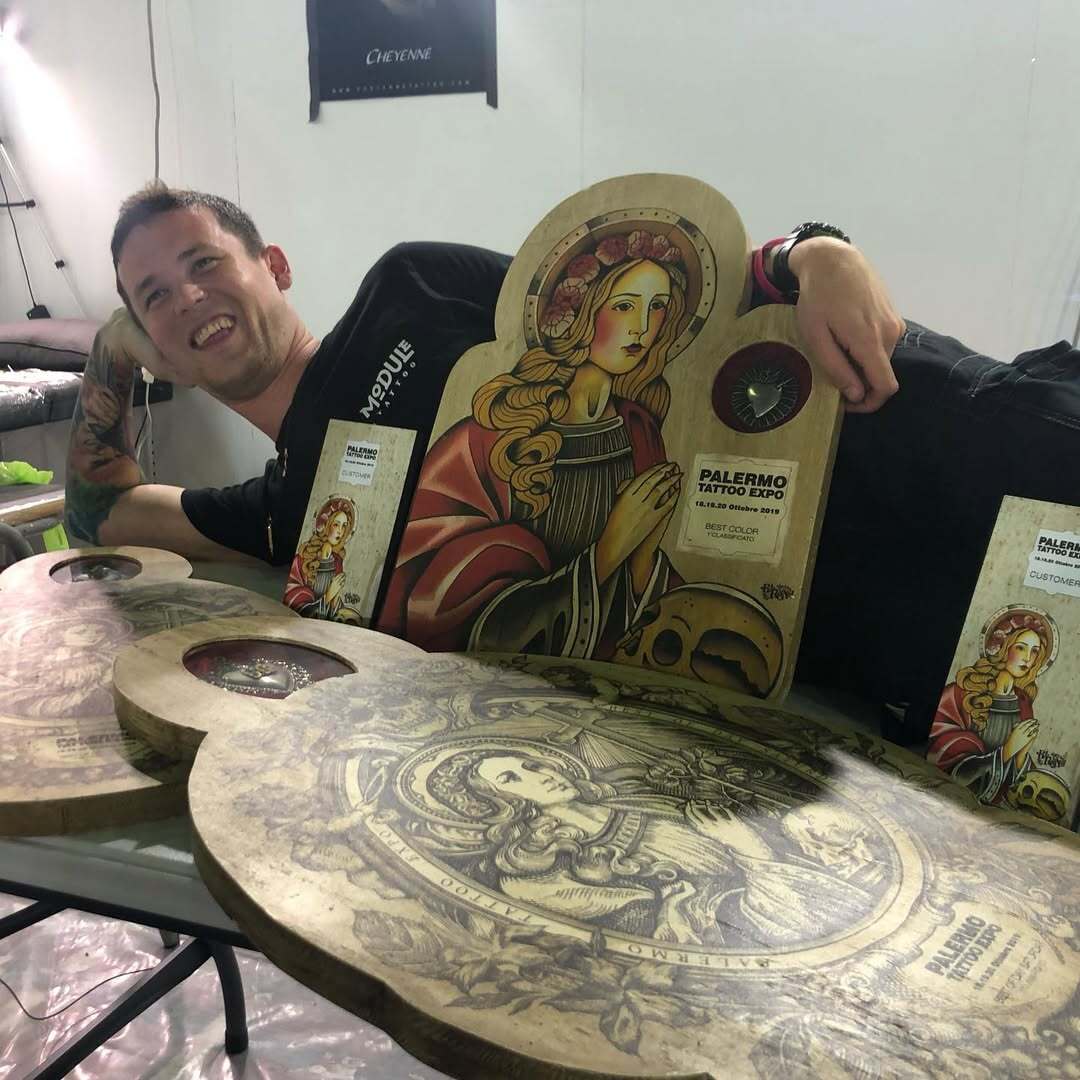
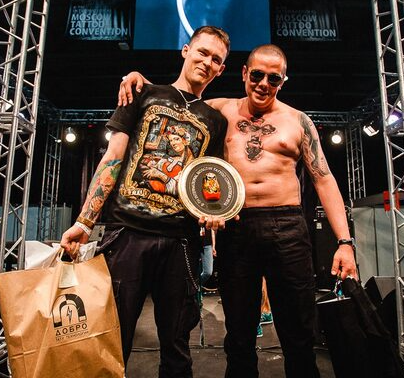
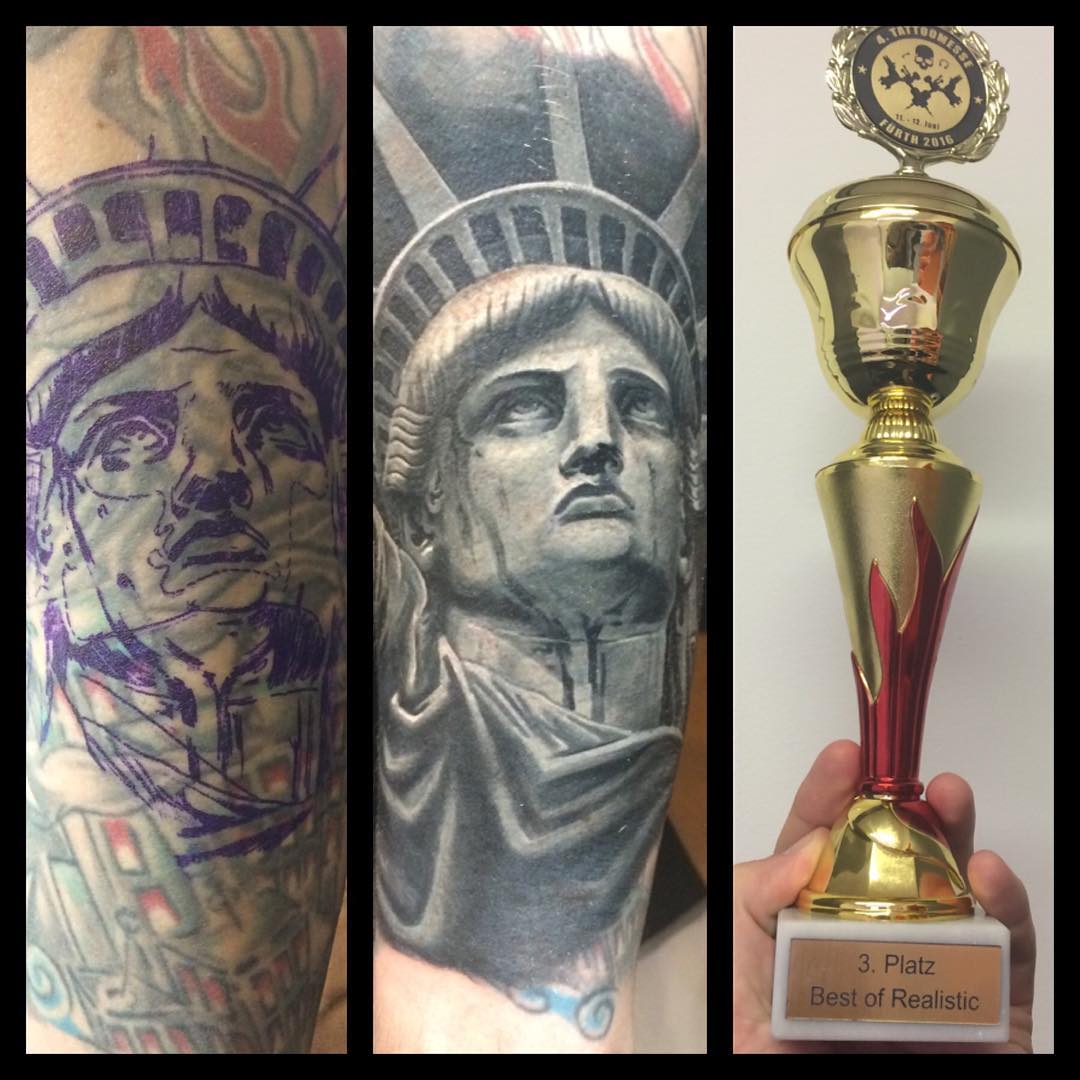
More Than 30 Awards
Want your tattoo to win the convention? I’ll tell you how to do it 👉
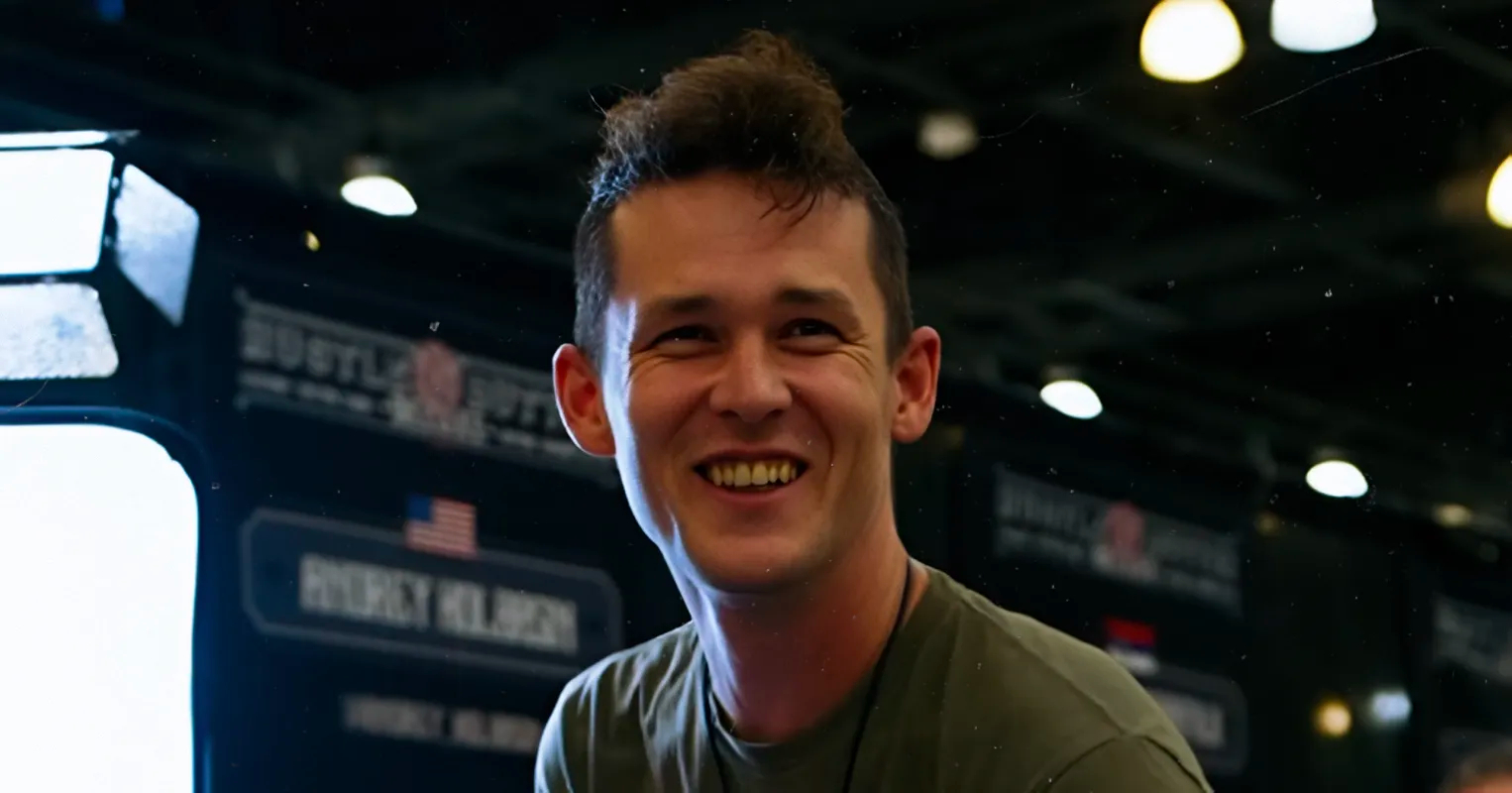
A bad tattoo shouldn’t be something you dress around every morning. I’m Rinat, a tattoo artist based in Los Angeles. I specialize in large-scale cover-up tattoos, transforming old ink into something you’ll actually want to show off.
Whether it’s an outdated design, a tattoo that didn’t turn out the way you expected, or something that no longer feels like you, the goal isn’t just to hide it. It’s to create a new piece that works with your body and looks good on its own.
I work with both black and grey and color tattoos, focusing on larger projects that require full-day sessions and sometimes multiple appointments.
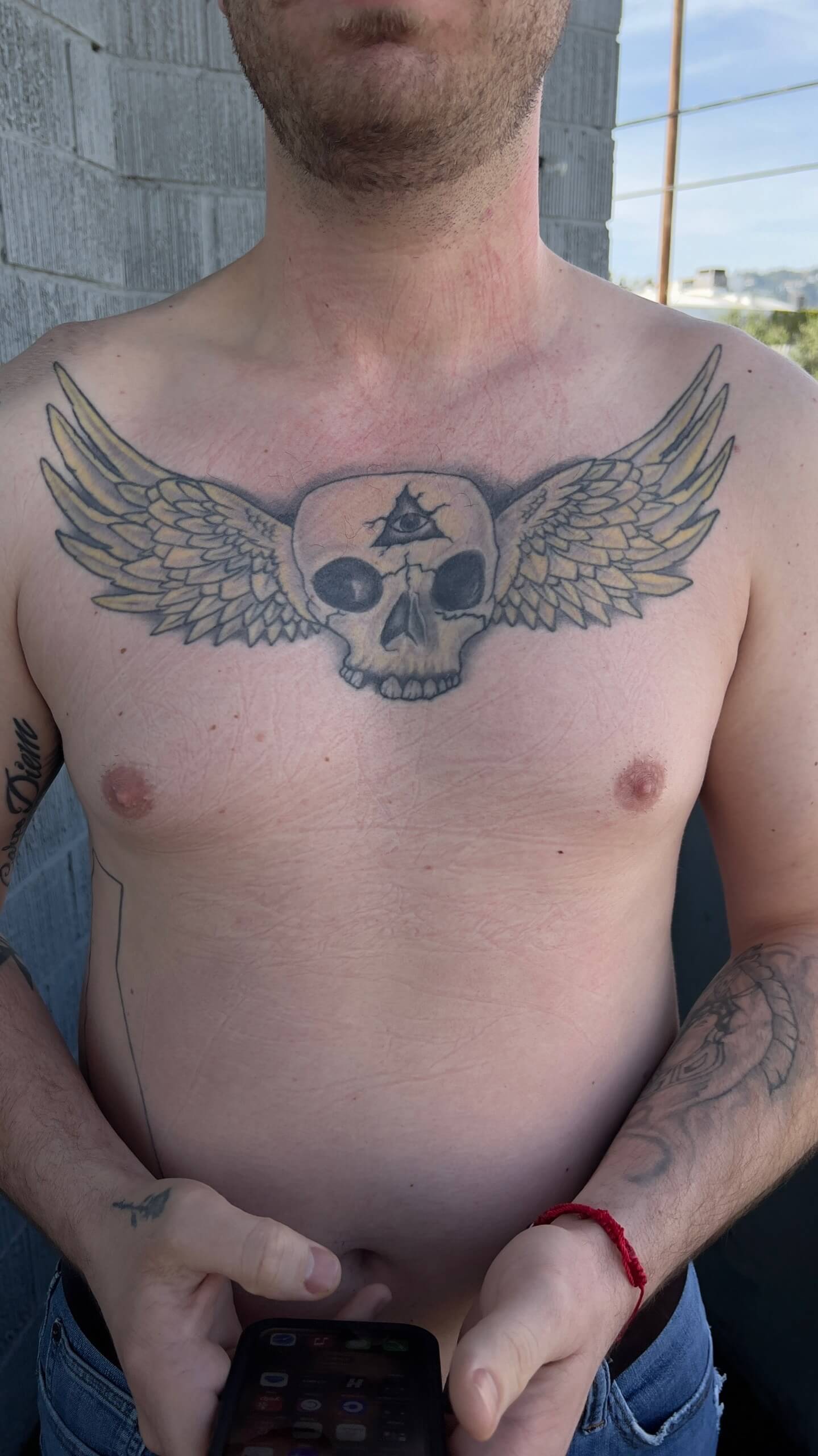
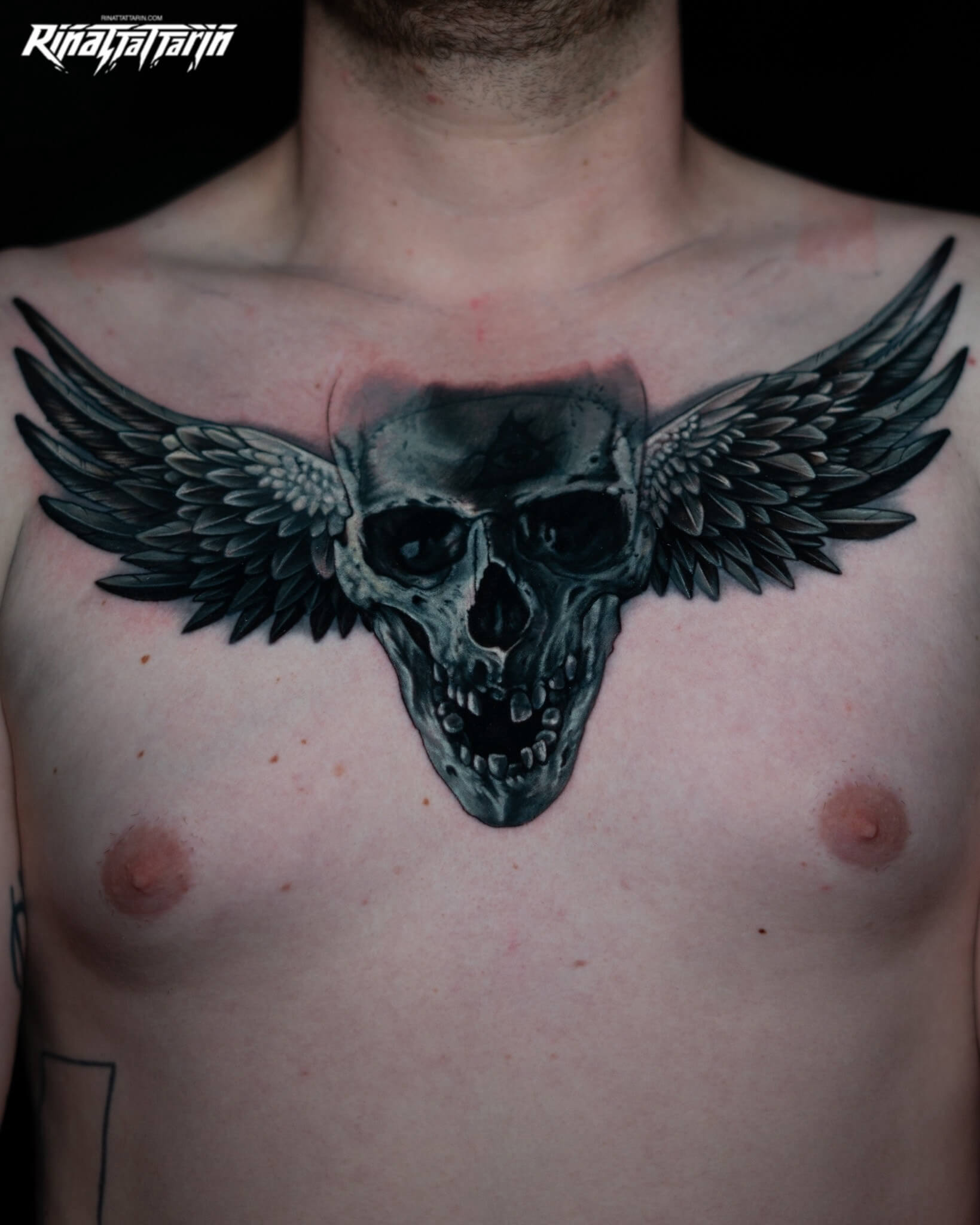
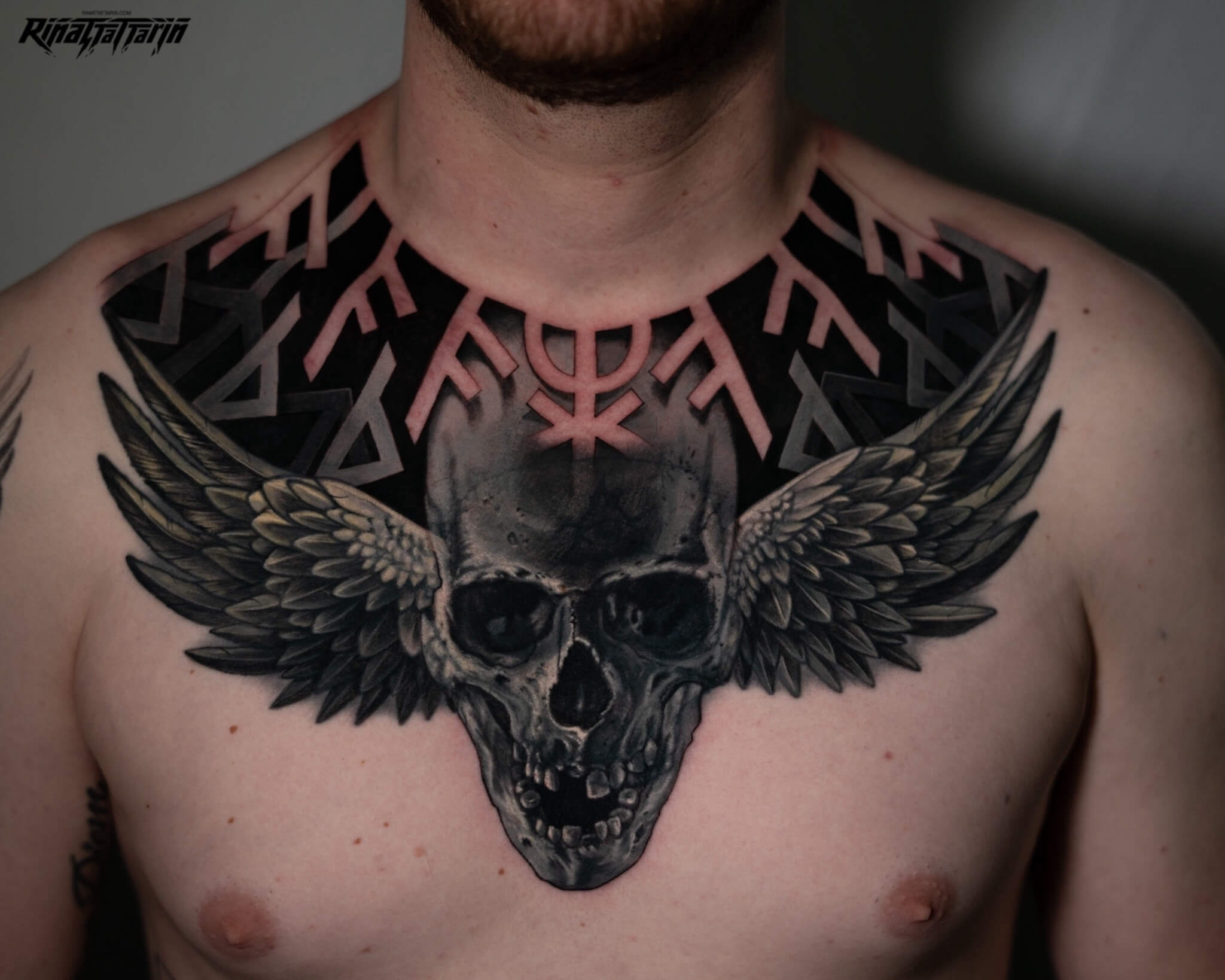
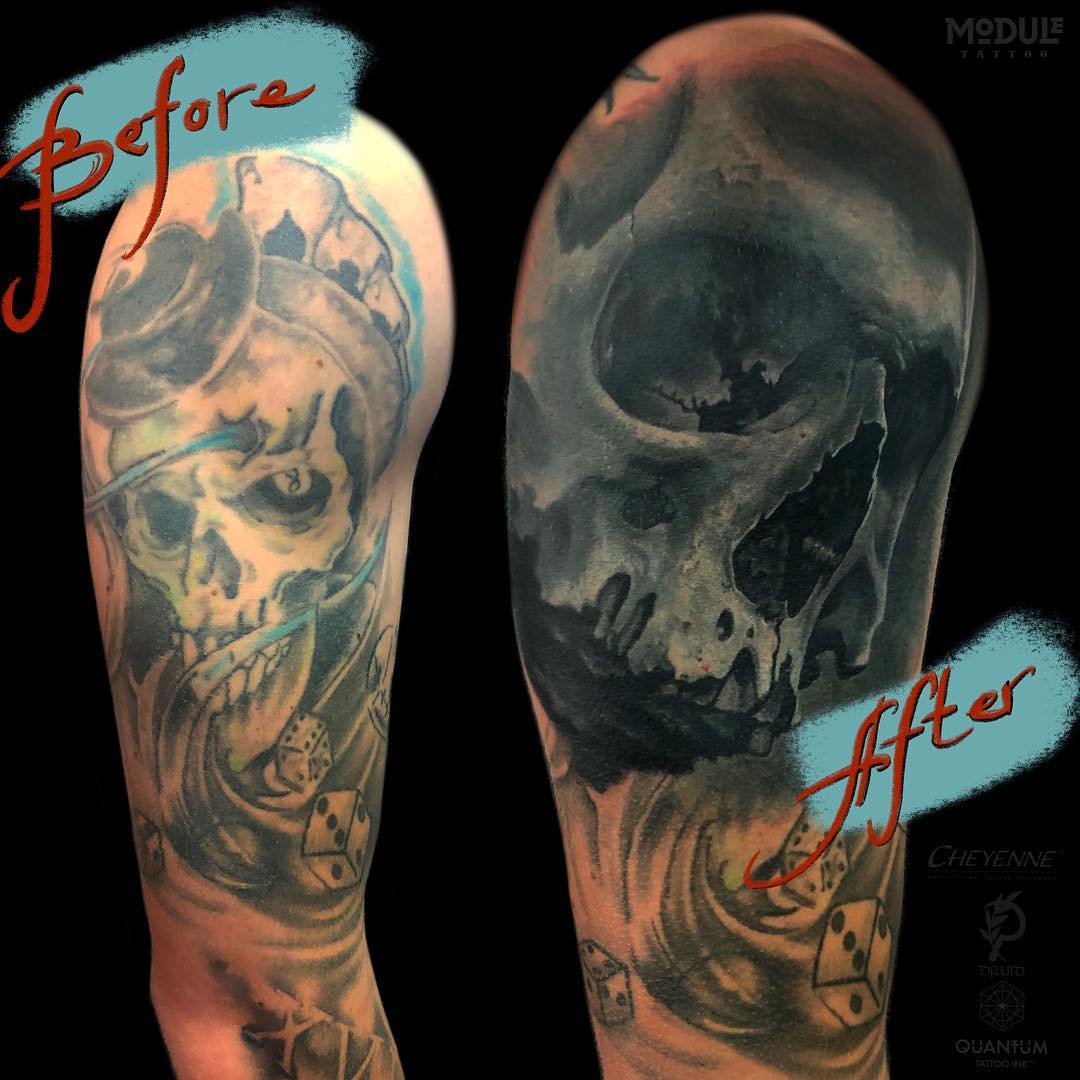
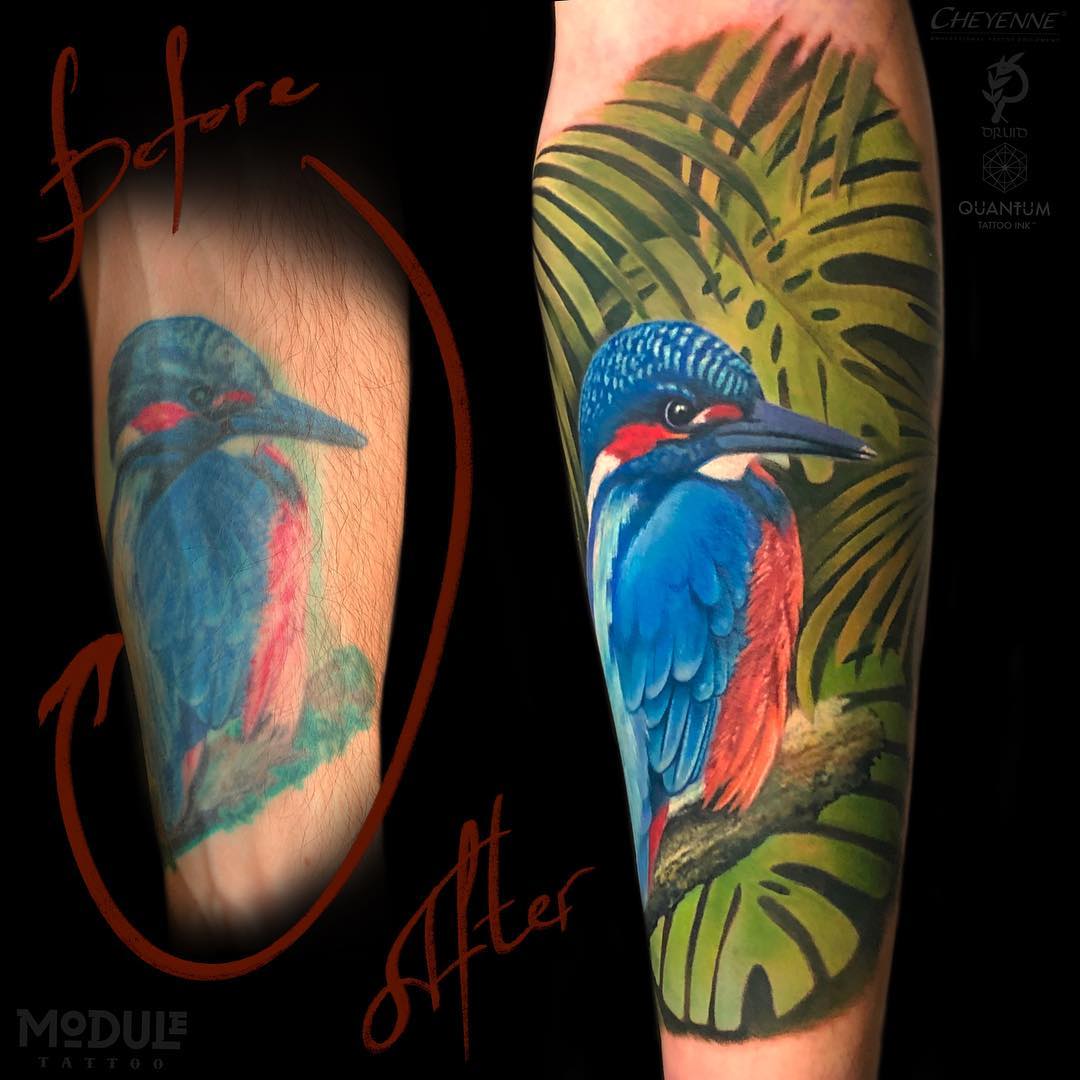
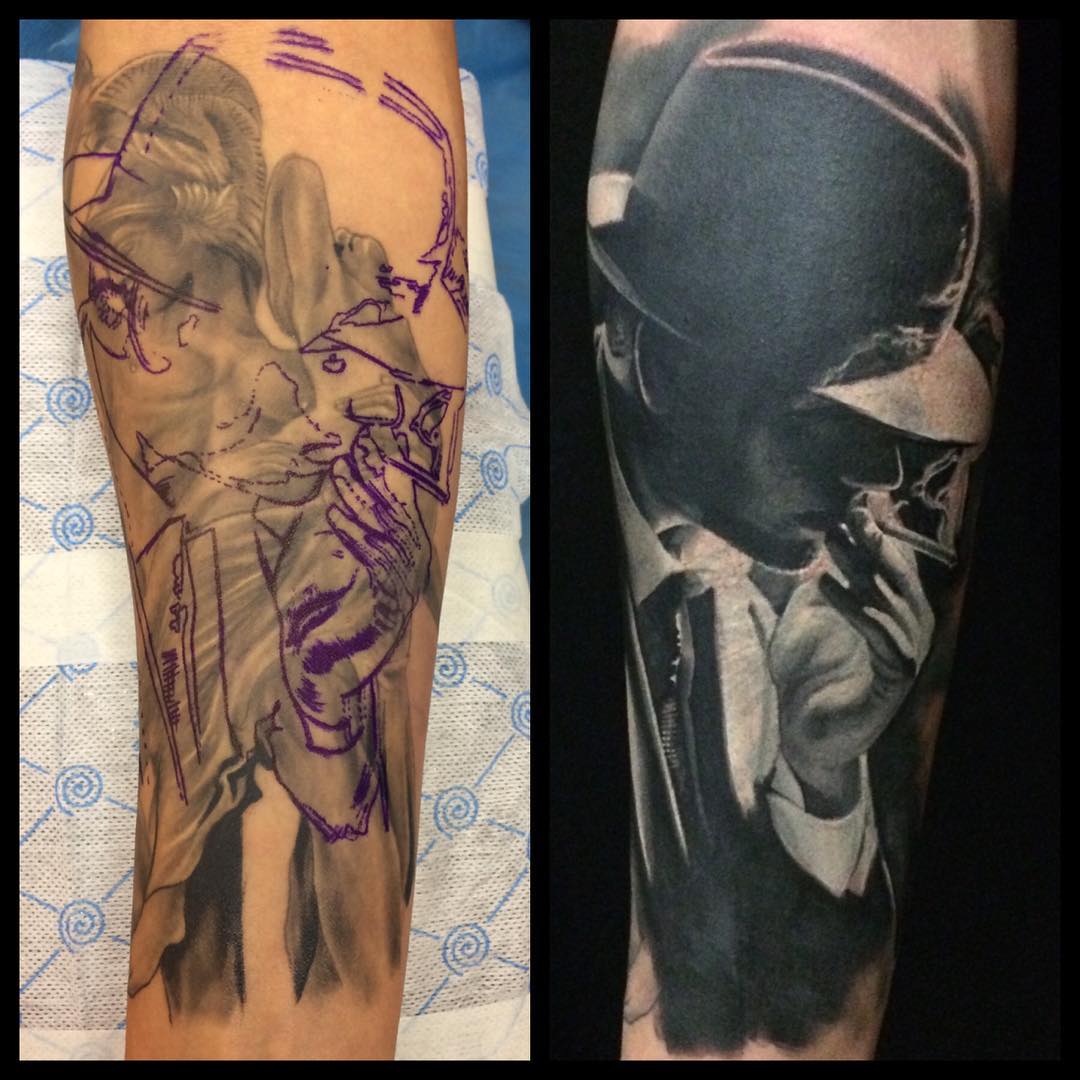
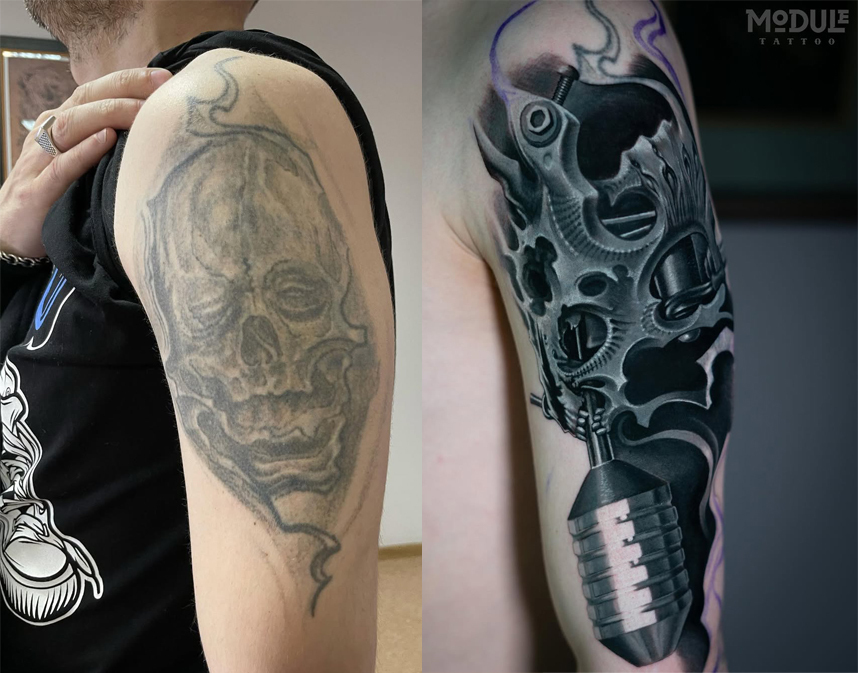
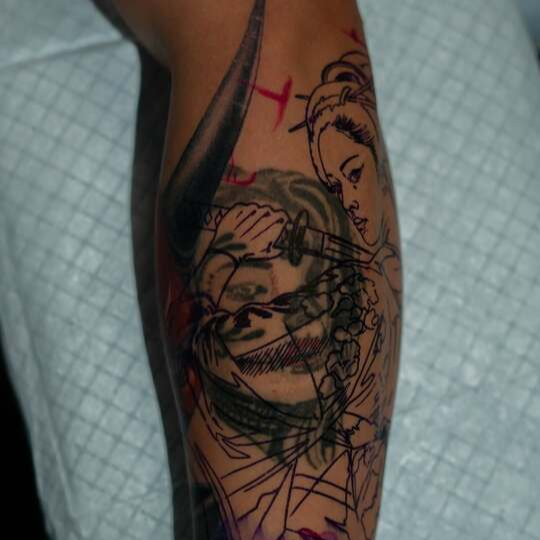
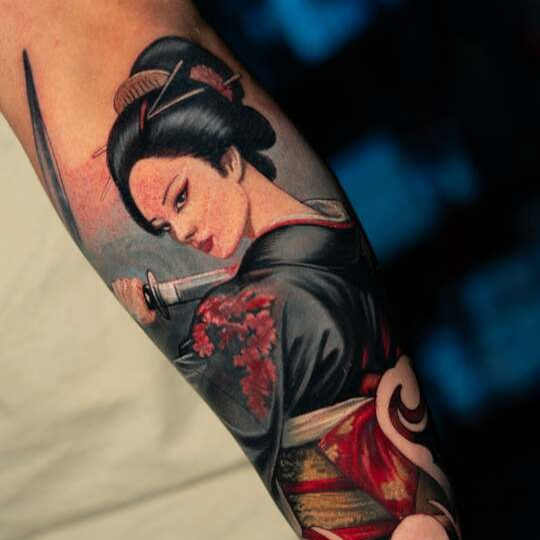
The best way to understand what’s possible with a cover-up is to see the transformation.
Every existing tattoo presents a different challenge. Some are faded and relatively easy to work around. Others have heavy black areas, strong outlines, or shapes that limit the options for a new design.
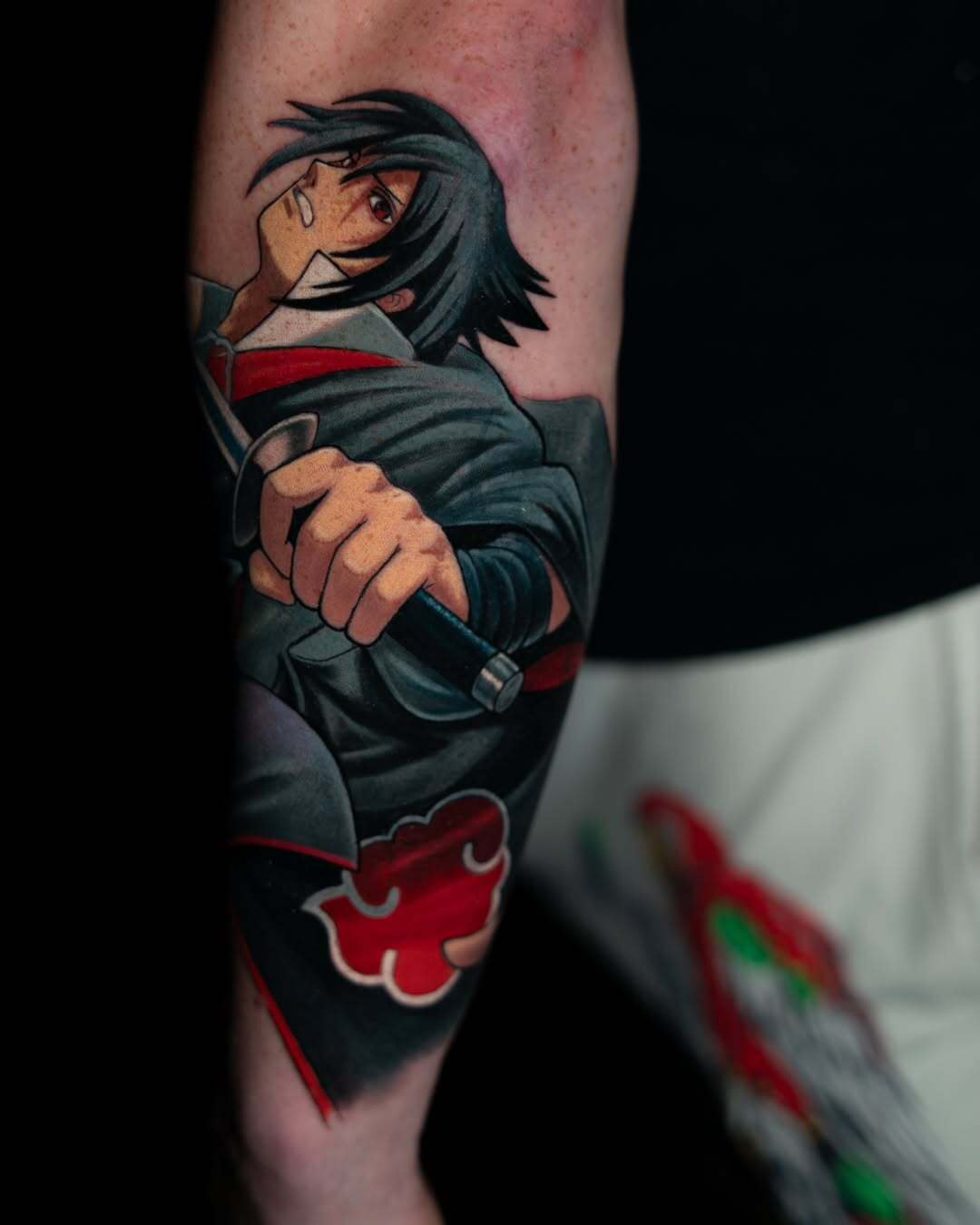
Here’s a look at some of my cover-up projects, from the original tattoos to the finished pieces.
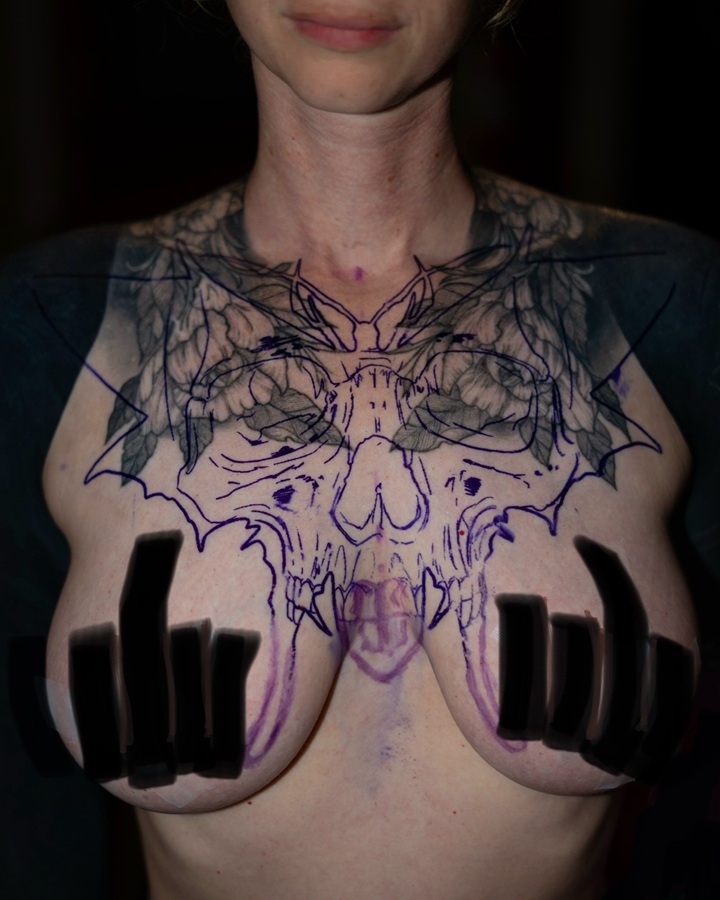
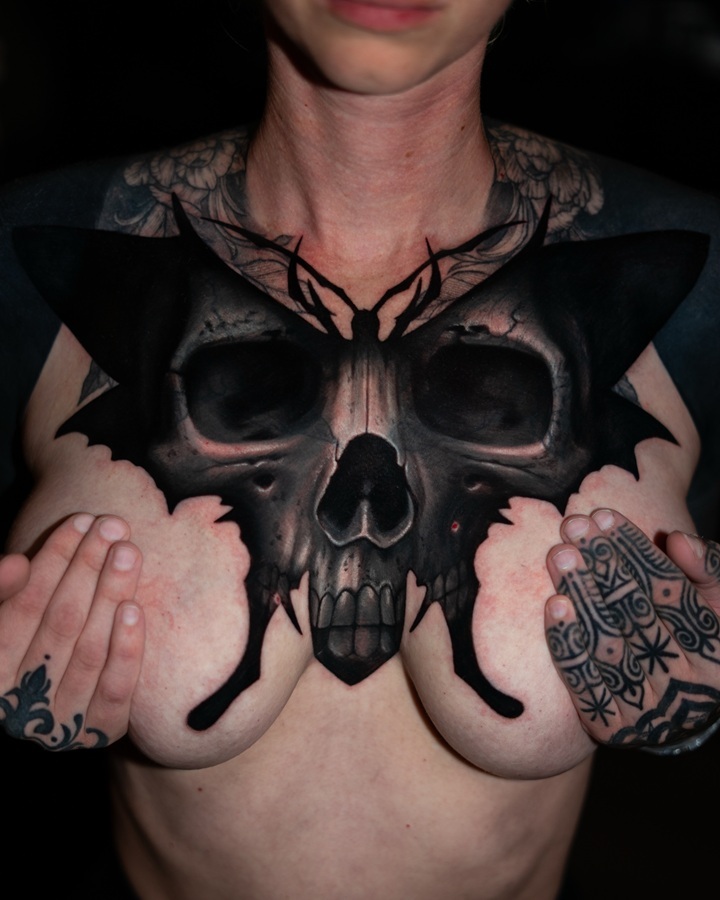 Before
After
Drag the slider to reveal the transformation.
A good cover-up starts with understanding what’s already there. I look at the size, placement, existing lines, and how saturated the old ink is. Then I figure out how a new design can work with those elements instead of fighting against them.
Sometimes that means making the new tattoo significantly larger. Other times, it’s about using texture, contrast, shading, or color to redirect attention and build a completely different composition.
I work in both black and grey and color, but the right approach depends on the tattoo we’re covering and the result you’re looking for.
I’m not interested in simply packing more ink over an old design. I want the new tattoo to look like it was meant to be there from the beginning.
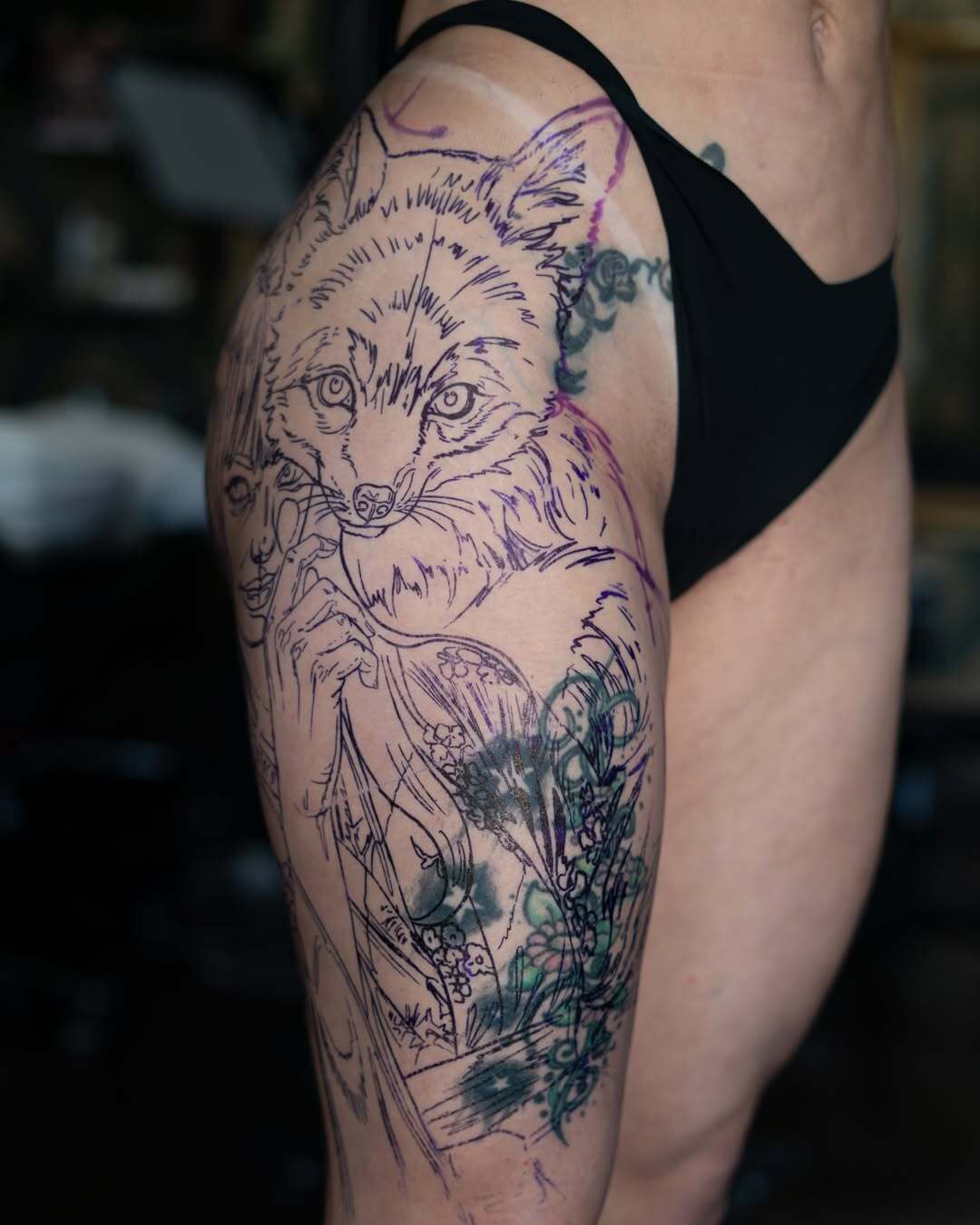
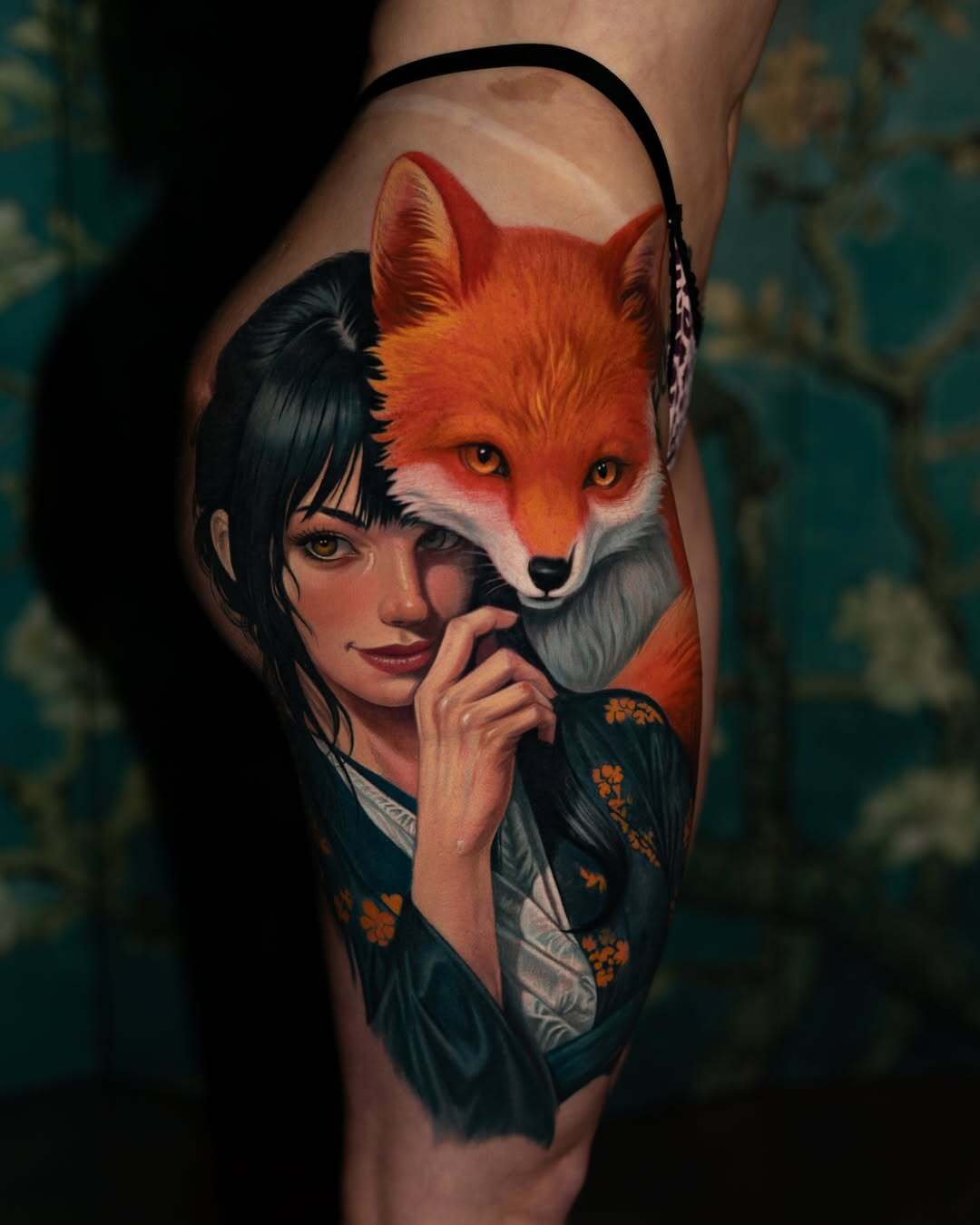 Before
After
Drag the slider to reveal the transformation.
I focus on substantial tattoo projects rather than small fixes or quick touch-ups. My work is organized around full-day tattoo sessions.
Depending on the size, complexity, and condition of the existing tattoo, a cover-up may take multiple sessions to complete.
Larger compositions give us more flexibility to work around the old tattoo and develop a design that feels balanced and intentional.
If you’re looking for a small, same-day cover-up, my approach probably isn’t the right fit. But if you’re ready to invest in a larger transformation, I’d be happy to take a look at your idea.
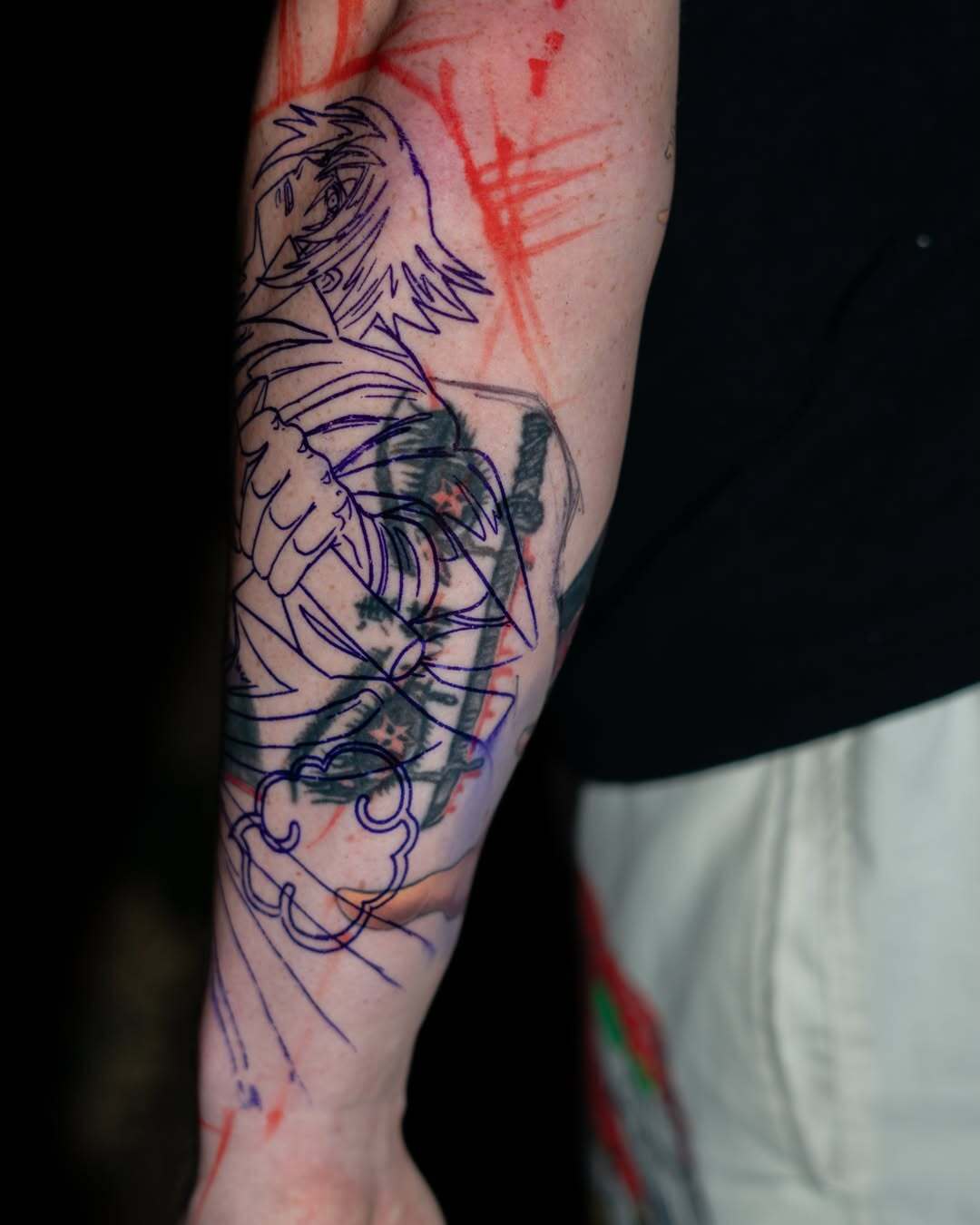
 Before
After
Drag the slider to reveal the transformation.
Not every tattoo can be covered the same way. A faded piece with light shading gives us different options than a heavily saturated black tattoo.
Size, placement, existing colors, and the condition of your skin all play a role. Some tattoos can be transformed directly into a new design. Others may benefit from laser lightening before starting the cover-up.
I sometimes recommend laser lightening when it could open up better design possibilities. That doesn’t mean every cover-up needs laser treatment.
I’d rather be upfront about the limitations than promise a result that isn’t realistic.
If you have a tattoo you’ve been wanting to change, send me a few clear photos and tell me what you have in mind.
You don’t need to have the entire new design figured out. We can start with what you want to leave behind and explore what’s possible from there.
Sometimes. It depends on how large and saturated the existing black tattoo is, where it sits, and what you want the new design to look like. I assess each project individually rather than promising that every dark tattoo can be completely hidden.
Yes. I work with both color and black and grey cover-ups. The existing tattoo affects which colors, contrast levels, and design elements are practical. The final approach depends on the old ink and the proposed composition.
Often, a larger design gives us more freedom to disguise the previous tattoo and create a balanced new composition. The necessary size depends on the shape, darkness, and placement of the original work.
Not always. Some tattoos can be covered directly. For certain dark or heavily saturated pieces, preliminary laser lightening may create better design options. I can discuss whether that approach is worth considering after reviewing clear photos of the existing tattoo.
It depends on the size, complexity, existing ink, and amount of new detail required. I focus on large projects booked in full-day sessions, and some transformations require multiple appointments. We can discuss the expected scope during a free consultation.
Want your tattoo to win the convention? I’ll tell you how to do it 👉
To get the most enjoyment out of your tattoo session 🍭
My recipe for perfectly covering up an old, poor-quality tattoo 🔪
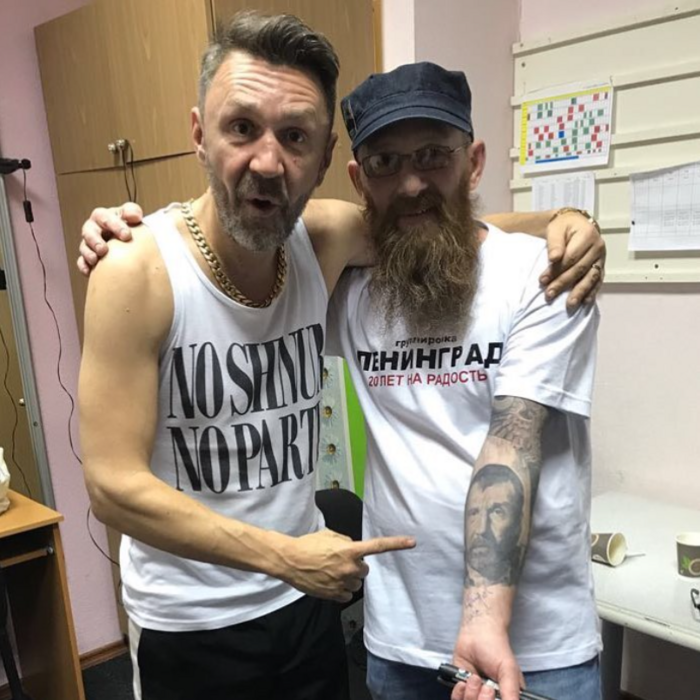
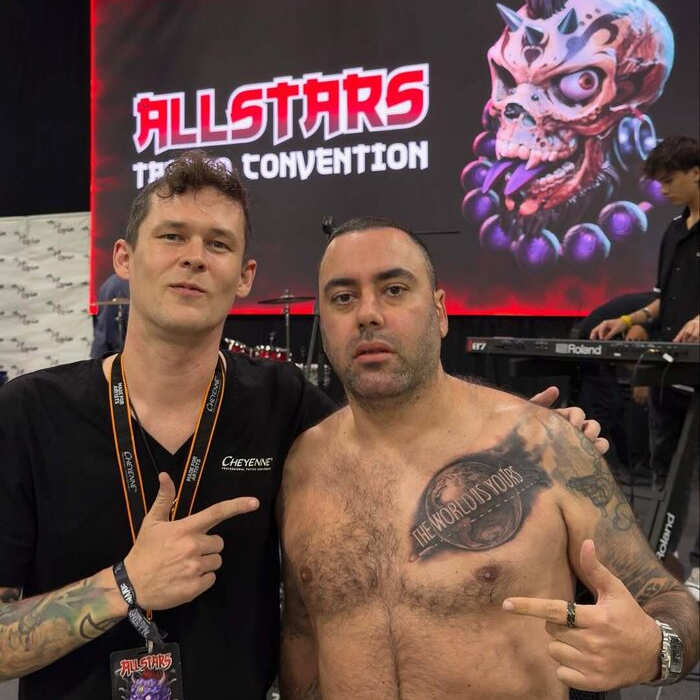
About tattoos on celebrities and tattoos depicting celebrities that I have done 🎥
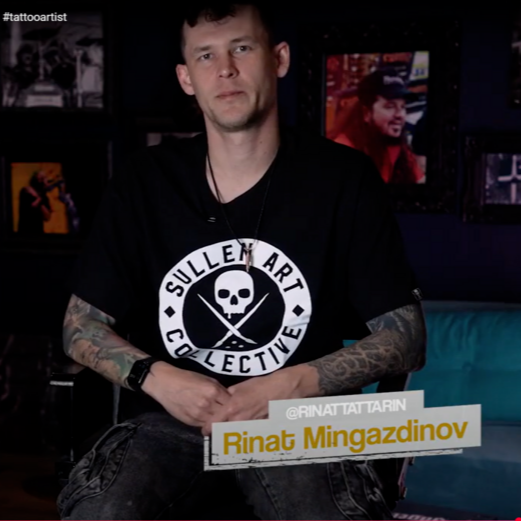
I tattooed at the @sullenclothing headsquad 🎙️